
AAAM
Injury Classification System
Designing a mobile-first injury classification system that makes professional medical reference materials accessible in the palm of a clinician's hand. A strategic approach to digitizing complex medical taxonomy and enabling real-time trauma data collection across mobile and web platforms.
Role
Mobile App Designer
Type
Mobile & Web App
Scope
Full Product Design
Platform
iOS, Android & Web
The Challenge
AAAM is a global, multi-disciplinary professional organization dedicated to saving lives and eliminating road traffic injuries through scientific research, educational programs, and public policy recommendations. However, the Injury Classification System—essential for categorizing injury severity—was only accessible in traditional formats like books and PDFs. This restricted format not only limited accessibility but also made it difficult for the organization to monitor licensing distribution and prevent unauthorized use.
Project Goals
- •Convert the Injury Classification System into a digital, searchable format
- •Develop a licensing mechanism for the classification code
- •Utilize the digital tool for training purposes
The Solution
To address the challenge of limited accessibility and potential unauthorized use, a comprehensive multifaceted digital solution was developed. This interactive digital version of the Injury Classification System was made accessible across mobile and web platforms, thereby significantly increasing its reach and usability. The key vision was to design an interactive digital dictionary where everyone would have access in the palm of their hands, while also allowing regulators and hospitals to record their trauma data with ease.
Strategic Objectives
Accessibility First
Make the classification system universally accessible to healthcare providers worldwide
License Management
Implement secure licensing system to track and manage distribution of the classification codes
Training & Education
Create interactive tools for medical professionals to learn and master injury classification
Data Collection
Enable hospitals and trauma centers to record injury data seamlessly in real-time
Design Approach
Research & Discovery
Conducted user interviews with clinicians, trauma specialists, and hospital administrators. Analyzed how medical professionals currently access and reference injury classification data. Identified key pain points around searchability, portability, and licensing verification.
Mobile-First Architecture
Designed for on-the-go access, with offline capability so clinicians can reference codes without internet connectivity. Optimized for quick search and navigation with minimal friction in clinical settings where time is critical.
Multi-Platform Strategy
Created iOS and Android apps with feature parity, complemented by a web-based admin dashboard for license management and system updates. Ensured seamless data synchronization across all platforms.
Design Execution
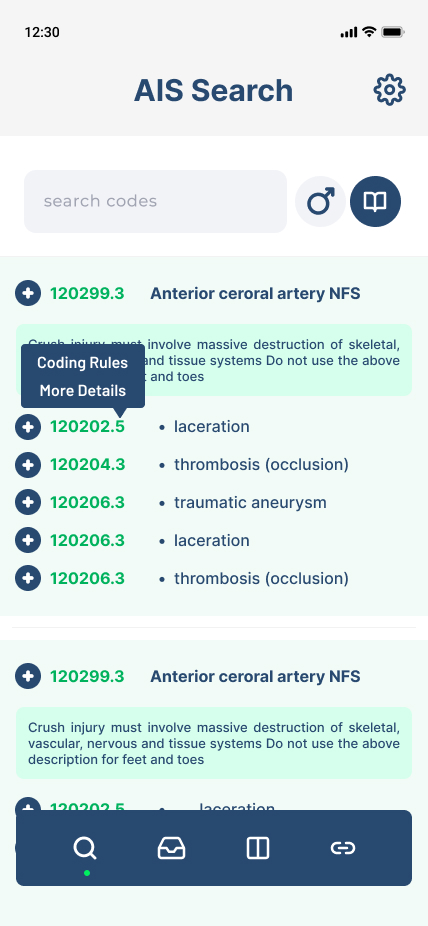
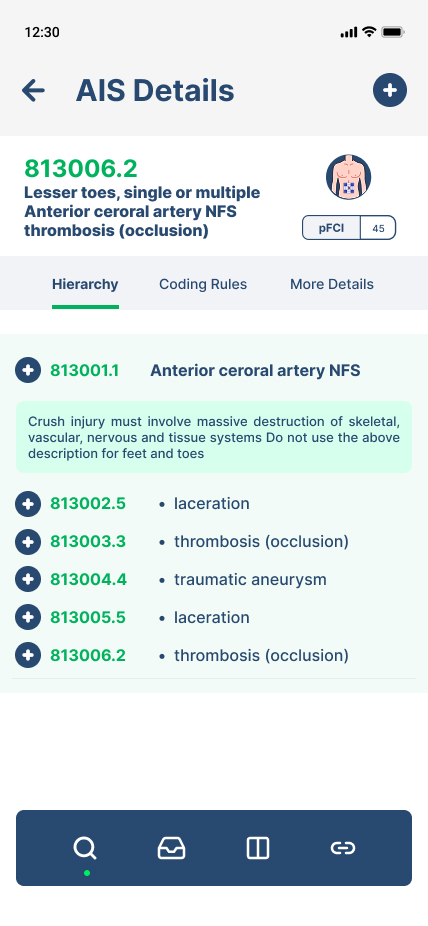
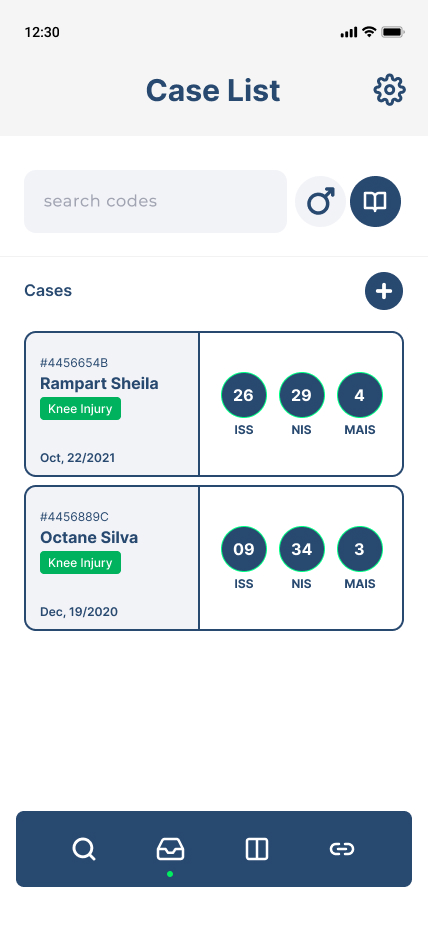
The mobile app features a fast, intuitive search interface that brings up injury codes with detailed descriptions and medical context. Users can save frequently accessed codes, view case histories, and record patient data directly within the application.
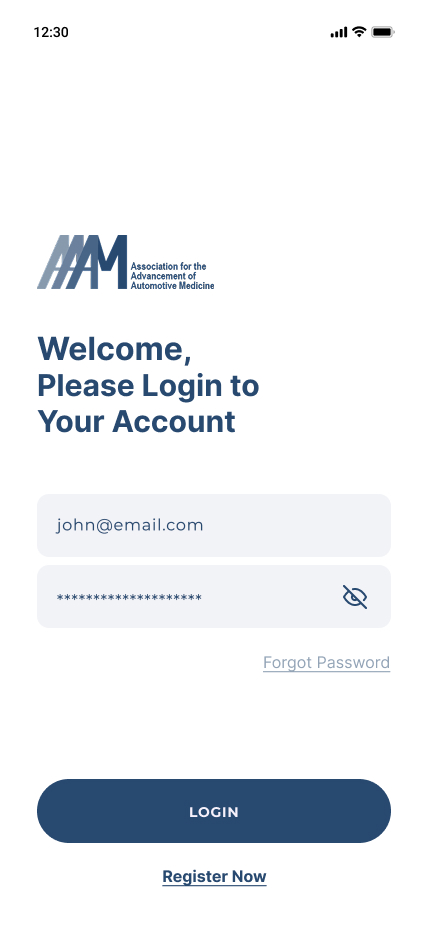
The login system ensures secure access with institutional license verification. The dashboard displays available classifications and scoring systems (ISS, NIS, MAIS) with clear visual hierarchies and quick-reference cards.
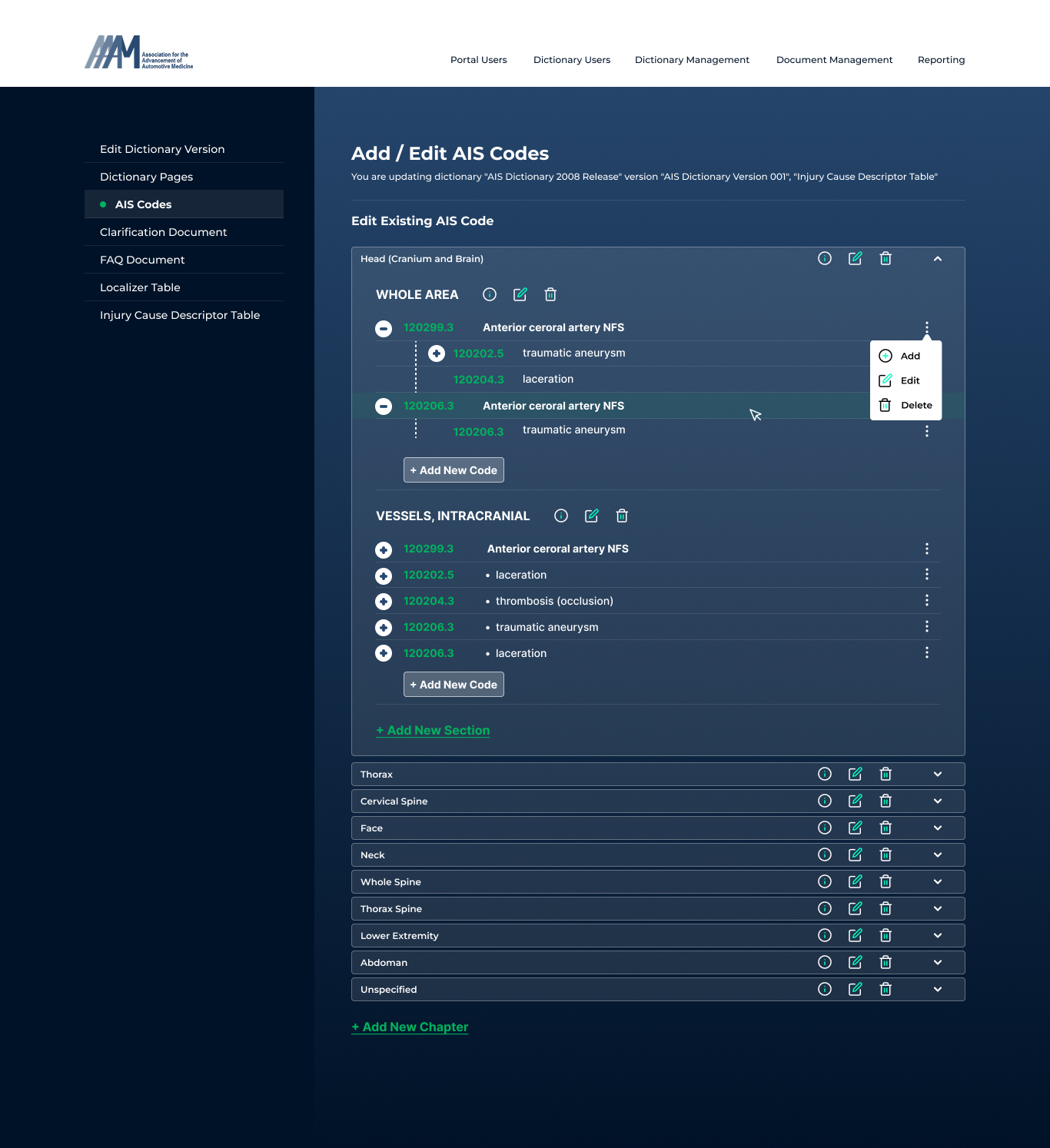
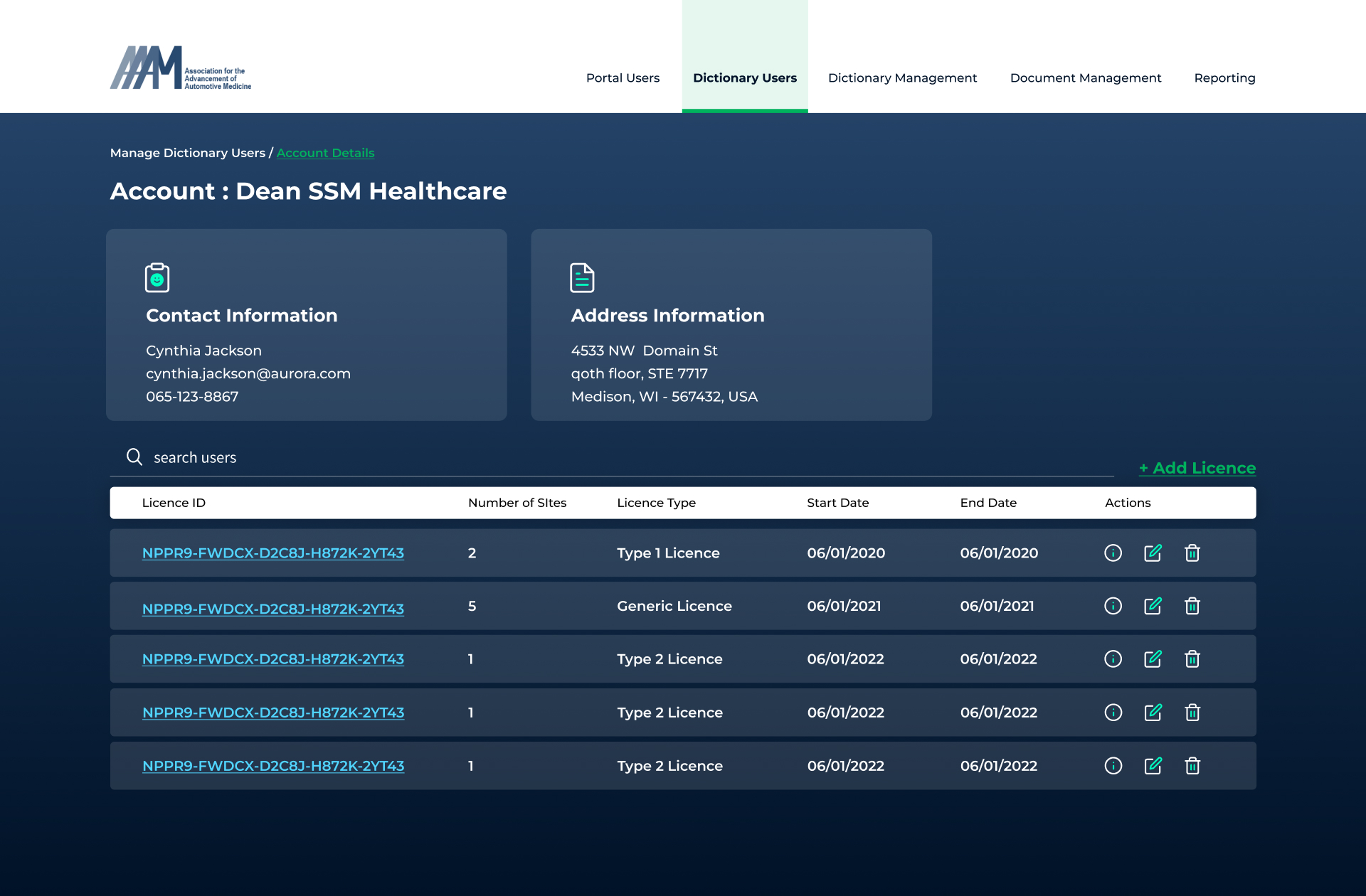
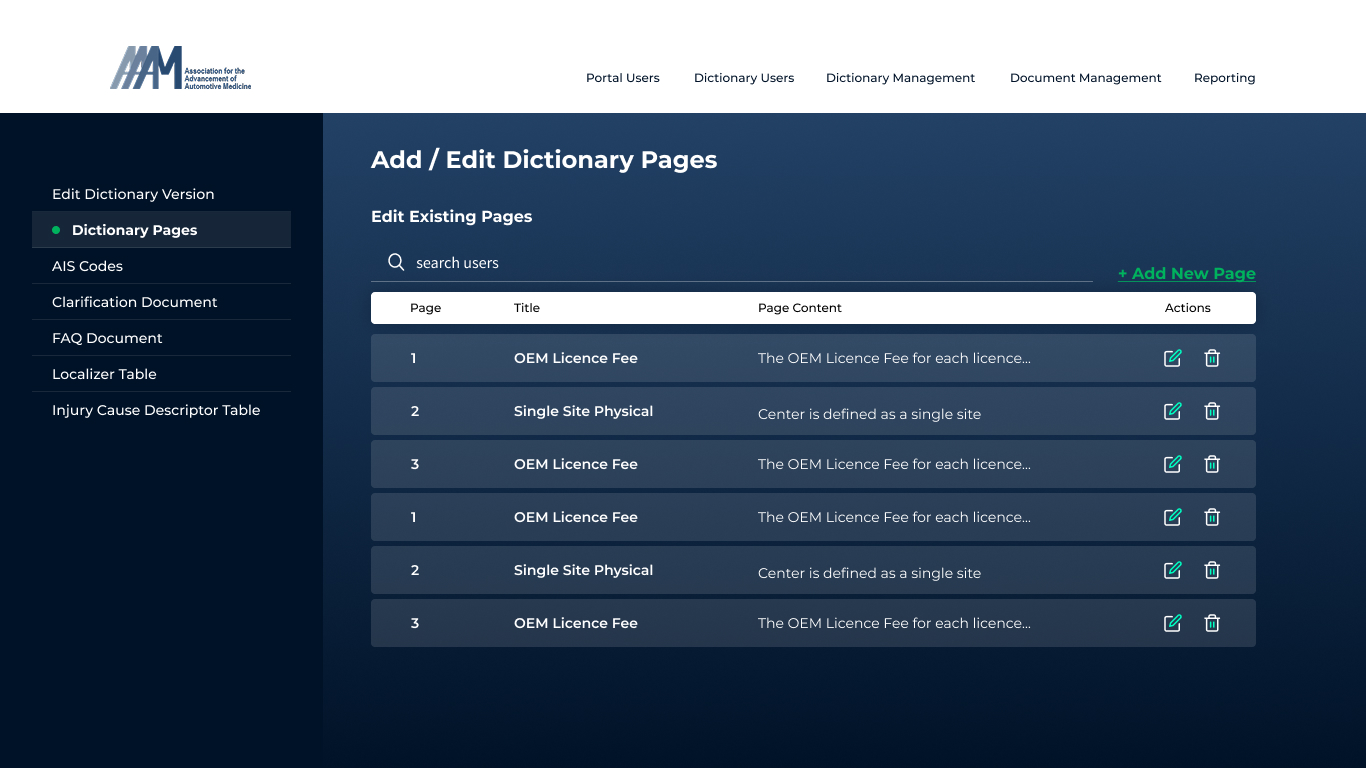
The admin backend provides comprehensive tools for managing dictionary versions, user accounts, and license distribution. Administrators can add or edit classification codes, manage organizational access, and generate compliance reports.
Mobile App Screens
Web Admin Dashboard
The admin dashboard provides comprehensive management tools for system administrators to maintain the injury classification system, manage user licenses, and control dictionary content across multiple organizational levels.
Client Testimonial
See the Full Project
Explore detailed wireframes, user flows, and design system documentation on Behance.
View Full Project on BehanceOutcomes & Impact
50+
Healthcare Organizations
Using the system across multiple countries for injury classification
100k+
Active Clinical Users
Healthcare professionals leveraging the system for daily patient assessments
10M+
Classifications Recorded
Real-time trauma data contributing to medical research and outcomes analysis